
 By James Anderson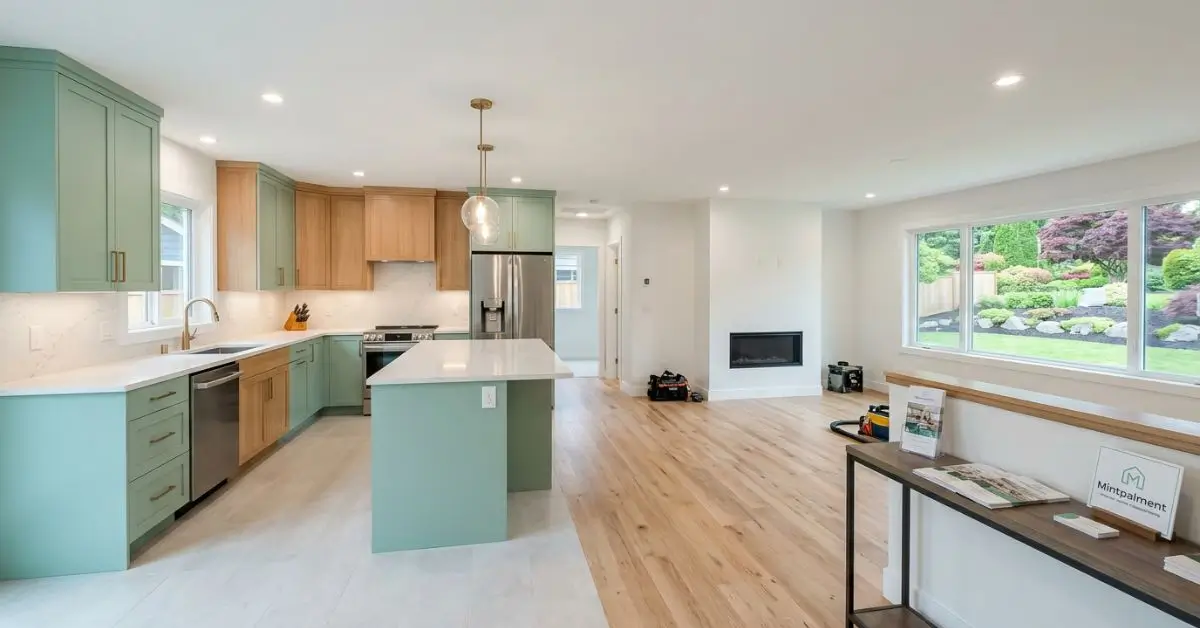
Most homeowners reach a point where their space stops feeling right. Maybe the kitchen feels outdated. The living room looks tired. A bathroom that worked five years ago now feels cramped and dull.
The problem isn’t always budget. Often, it’s not knowing where to start or which improvements actually make a difference.
That’s what this guide is for. Whether you’re planning a full renovation or just a few smart upgrades, you’ll find clear, practical advice here no fluff, no jargon.
Interior home improvements mintpalment refer to changes made inside a home to improve its function, comfort, appearance, or value. These can range from small updates like painting walls or replacing fixtures to larger projects like renovating a kitchen or adding built-in storage. The goal is always to make the space work better for the people living in it.
Interior upgrades don’t have to be expensive or overwhelming. Focus on high-impact areas first: kitchen, bathroom, lighting, and storage. Plan before you spend. This guide walks you through everything step by step.
A well-improved home isn’t just more comfortable; it’s more valuable.
According to the National Association of Realtors, certain interior upgrades consistently deliver strong returns when it comes time to sell. A kitchen remodel, for example, can return 60–80% of its cost in added home value. Hardwood floor refinishing often returns even more.
But even if you’re not planning to sell, living in a space that’s organized, updated, and well-lit simply makes daily life better. It reduces stress, improves mood, and makes your home feel like somewhere you actually want to be.
The challenge is knowing which improvements are worth your time and money and which ones look great in a magazine but deliver little in real life.
The most common mistake homeowners make is starting with inspiration before they have a clear plan.
You see a beautiful kitchen online. You get excited. You start buying things. Then halfway through, you realize the layout doesn’t work, the budget is gone, and the project is stalled.
Good interior home improvements mintpalment planning starts with three questions:
1. What problem am I solving?
Don’t improve for the sake of improving. Identify what’s actually bothering you. Is the kitchen too dark? Is storage the issue? Is the bathroom simply old and worn out?
2. What’s my realistic budget?
Be honest. A kitchen renovation in the US typically costs between $15,000 and $50,000 depending on size and materials. A bathroom refresh can range from $3,000 to $15,000. Knowing your number before you start saves enormous stress later.
3. What can I do myself vs. what needs a professional?
Painting, installing shelves, replacing light fixtures most homeowners can handle these. For electrical work, plumbing, and structural changes, always hire a licensed professional.
Not all improvements are equal. Some deliver obvious, immediate results. Others cost a lot and barely change how a space feels. Here’s where to focus your energy.
The kitchen is the most used room in most homes and the one that delivers the highest return on improvement.
You don’t have to gut the entire kitchen to make a real difference. Some of the most effective kitchen upgrades include:
- Repainting or replacing cabinet doors: fresh cabinet fronts can completely transform a kitchen’s look for a fraction of the cost of full replacement
- Upgrading countertops: switching from laminate to quartz or butcher block makes an immediate visual impact
- Improving lighting: under-cabinet lighting and a statement pendant over the island make kitchens feel more modern and functional
- Replacing hardware: new handles and knobs cost very little but make cabinets look significantly newer
A homeowner in Austin, Texas, recently shared that replacing cabinet doors and adding under-cabinet lighting cost them around $2,400 total, and the kitchen looked like a completely different space.
Bathrooms are small spaces where every detail is visible. Even minor improvements here make a big difference.
Focus on:
- Replacing old faucets and fixtures with brushed nickel or matte black finishes
- Re-grouting or replacing tile old grout makes even clean bathrooms look dirty
- Adding a framed mirror instead of a builder-grade plain mirror
- Installing a new vanity with built-in storage
A dated bathroom doesn’t need a full renovation to feel fresh. Often, $1,000–$2,500 in targeted upgrades delivers a result that feels like a complete remodel.
The living room is where most families spend the most time, yet it’s often the most neglected when it comes to intentional improvement.
Key improvements here include the following:
- Fresh paint: one of the cheapest and most effective changes you can make. A neutral warm tone can make a room feel larger and more inviting
- Better lighting: swap harsh overhead lights for layered lighting using floor lamps, table lamps, and dimmers
- Built-in shelving: Adds storage, reduces clutter, and makes a room look designed rather than assembled
- New flooring or area rugs: If replacing floors isn’t in the budget, a well-chosen area rug can define a space and add warmth
A bedroom should feel calm, comfortable, and personal. The most effective improvements here are often the simplest.
- Replace old curtains with blackout curtains better sleep and a better look
- Add a headboard; if you don’t have one, it instantly makes the room feel more finished
- Improve closet organization: even a $200 closet system dramatically improves daily function
- Repaint in a calm, neutral tone if the current color feels harsh or dated
Some of the best interior home improvements aren’t glamorous, but they make a real difference in how a home feels and functions.
Better storage solutions. Clutter is the enemy of a good-looking home. Built-in shelves, under-bed storage, and well-organized closets remove visual noise instantly.
Upgraded lighting throughout the home. Most builder-grade homes have poor lighting. Adding dimmer switches, changing bulb color temperature to warm white (2700K–3000K), and layering light sources transforms how a space feels often for under $300 total.
Fresh interior doors and hardware. Old hollow-core doors with dated brass handles age a home significantly. Replacing them with solid-core doors and modern hardware is a mid-range investment that delivers a high-end result.
Ceiling updates. If your home has popcorn ceilings, removing them instantly modernizes every room. It’s a labor-intensive job but makes a dramatic difference.
One of the most practical skills in home improvement is knowing where to invest and where to cut costs without sacrificing quality.
| Area | Worth Spending More | Save Here |
|---|---|---|
| Kitchen | Countertops, appliances | Cabinet hardware, paint |
| Bathroom | Fixtures, vanity | Accessories, towel bars |
| Living Room | Flooring, lighting | Throw pillows, decor |
| Bedroom | Mattress, curtains | Wall art, small decor |
| General | Paint quality | Trendy accent pieces |
The rule is simple: spend on things you touch and use daily. Save on things that are easy to replace later.
Even experienced homeowners make these errors. Knowing them in advance saves time, money, and frustration.
Skipping the prep work. Painting without proper priming, or installing flooring without addressing moisture issues first, leads to poor results that need redoing.
Choosing trends over timelessness. Bold design trends look great for a year or two, then date your home quickly. Neutral bases with small, trendy accents are always the smarter choice.
Underestimating project time. Most home improvement projects take longer than expected. Build in a 20–30% time buffer for every project.
Ignoring permits. Certain improvements, especially structural, electrical, or plumbing work, require permits in most US states. Skipping permits can cause serious problems when you sell.
Doing too much at once. Trying to renovate multiple rooms simultaneously drains budget and attention. Focus on one area, finish it properly, then move to the next.
If you can’t do everything at once, and most people can’t, here’s a simple prioritization framework:
Fix first. Address anything broken, damaged, or dysfunctional before improving anything cosmetic. A leaking faucet matters more than new cabinet handles.
Improve what you use most. Kitchen and bathrooms first. These spaces affect daily quality of life the most.
Then focus on what guests see. Entryway, living room, and main bathroom. First impressions matter, especially if resale is a future goal.
Save statement pieces for last. Custom furniture, feature walls, and decorative upgrades are the finishing layer, not the foundation.
Kitchen and bathroom upgrades deliver the strongest return. Fresh paint, new flooring, and better lighting also add solid value at low cost.
NAR data shows minor kitchen remodels regularly return over 70% of their cost in added home value.
Begin with paint, lighting, and decluttering, the lowest cost, highest visual impact.
Even $500–$1,000 spent smartly on these three areas can make a room feel completely different.
Cosmetic work like painting and flooring rarely needs a permit. Electrical, plumbing, and structural changes usually do.
Always check with your local building department before starting anything inside your walls.
A room refresh takes a weekend. A kitchen or bathroom renovation typically takes two to six weeks.
Always add 20–30% extra time; delays from materials or scheduling are very common.
Avoid over-personalizing, starting unfinished projects, or over-improving your neighborhood.
Stick to neutral finishes and functional upgrades that appeal to the widest range of buyers.