
 By James Anderson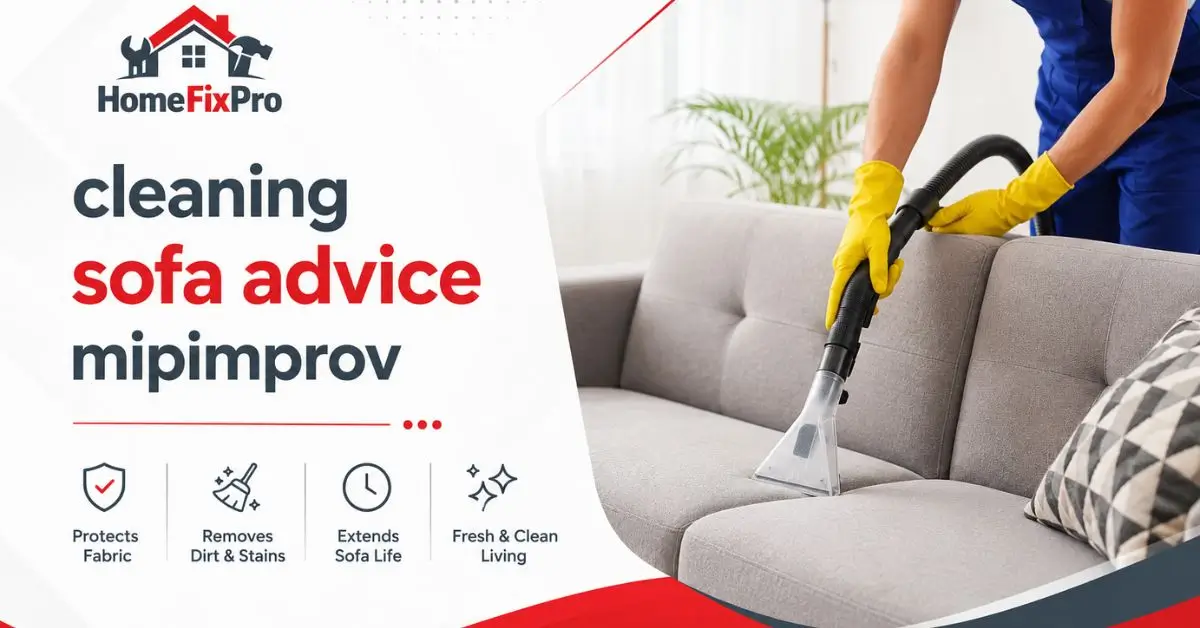
Your sofa handles more than any other piece of furniture in your home. Kids jump on it. Pets sleep on it. Coffee spills happen. Years of daily use leave behind dirt, odors, and stains that slowly build up.
Most people ignore it until the problem becomes obvious. But here is the thing: cleaning your sofa does not require expensive products or professional help every time. You just need the right approach.
This cleaning sofa advice mipimprov guide gives you everything you need. Step-by-step methods, fabric-specific tips, stain removal tricks, and long-term maintenance habits are all written for real homeowners who want real results.
“Cleaning sofa advice mipimprov refers to practical, home improvement-focused guidance on how to properly clean, maintain, and protect your sofa using the right tools, products, and techniques based on your specific fabric type and cleaning needs.
Check your sofa’s care label first. Vacuum weekly. Spot-treat stains immediately with the correct cleaner for your fabric. Deep clean every 3–6 months. Test any cleaner on a hidden area before using it. Baking soda handles odors. Simple habits prevent big problems.
A dirty sofa is not just an eyesore. It is a hygiene issue.
Dust mites, bacteria, allergens, pet dander, and dead skin cells all accumulate in upholstery over time. According to home hygiene studies, the average sofa can harbor more bacteria than a toilet seat if left uncleaned for months.
Beyond health, a well-maintained sofa lasts significantly longer. Quality furniture is not cheap. A good sectional in the US can cost anywhere from $800 to $3,000. Proper care protects that investment.
That is exactly why reliable cleaning sofa advice mipimprov style matters; it saves your health, your money, and your furniture.
Before you spray, wipe, or scrub anything, find the care label. It is usually tucked under a cushion or attached to the bottom frame.
This label has a simple code that tells you exactly what cleaning method is safe:
| Code | Meaning |
|---|---|
| W | Water-based cleaners are safe |
| S | Solvent-based cleaners only no water |
| W/S | Both water and solvent cleaners work |
| X | Vacuum only; no liquid cleaners at all |
Skipping this step is the number one mistake people make. Using water on an “S” coded sofa can cause permanent watermarks, shrinking, or fabric damage.
Every good sofa cleaning starts with vacuuming. Use the upholstery attachment and cover every surface: cushions, armrests, back panels, and especially the crevices between cushions.
This removes loose dirt, crumbs, dust, and pet hair before wet cleaning pushes them deeper into the fabric.
Make this a weekly habit. It takes less than five minutes and is the single most effective maintenance step in any cleaning sofa advice mipimprov guide.
Different fabrics need different methods. Using the wrong cleaner on the wrong material causes more damage than the original stain.
Cotton and Linen:
Common and easy to clean. Mild dish soap diluted in warm water works well. But these fabrics soak up moisture quickly, so use minimal liquid and blot; never rub.
Microfiber:
Very popular in American homes. Durable and stain-resistant. For most microfiber sofas, rubbing alcohol in a spray bottle lifts stains without leaving water marks. Spray lightly, blot with a white cloth, then brush with a soft bristle brush once dry.
Velvet:
More delicate. Avoid water whenever possible. Use a soft-bristled brush to lift the pile and a dry-cleaning solvent for stains. Always brush in the direction of the fabric grain.
Leather:
Completely different approach. Wipe with a damp microfiber cloth for surface dirt. Apply a leather conditioner every 3–4 months to prevent cracking and drying. Never use soap, bleach, or harsh chemicals.
Polyester and Synthetic Blends:
The most forgiving fabric. A mild dish soap solution handles most stains easily. These fabrics dry quickly and resist moisture damage.
Speed matters with stains. The longer a spill sits, the harder it becomes to remove. Here is the correct process following proven cleaning sofa advice mipimprov methods:
- Blot excess liquid immediately with a clean white cloth. Press down; do not rub.
- Apply the right cleaning solution for your fabric type.
- Work from outside the stain inward to prevent spreading.
- Blot again with a clean damp cloth to rinse.
- Air dry completely before using the sofa again.
Common Stain Solutions:
- Coffee or tea: One tablespoon dish soap mixed with two cups cold water. Blot gently.
- Red wine: Blot immediately, then apply club soda or a mix of dish soap and hydrogen peroxide. Test first.
- Pet urine: Use an enzyme-based cleaner. Regular soap does not break down the proteins causing the odor.
- Grease or oil: Sprinkle baking soda, wait 20 minutes, vacuum, then follow with a small amount of dish soap solution.
Real Example:
A family in Austin, Texas, had a persistent pet odor on their fabric sectional. They used regular fabric spray for months with zero results. After switching to an enzyme-based cleaner following proper cleaning sofa advice and MIP mipimprov techniques the odor was completely gone within two treatments.
Regular spot cleaning handles daily messes. But a deeper clean every few months keeps your sofa truly fresh and hygienic.
For Fabric Sofas (W or W/S Code):
Mix one teaspoon of mild dish soap with one cup of warm water. Whisk until foamy. Apply the foam only, not the liquid, using a soft brush or cloth. This minimizes moisture absorption. Wipe with a damp cloth and let it air dry fully.
A handheld upholstery steam cleaner also works well. Steam kills bacteria and loosens embedded dirt without chemicals. Keep it moving; do not hold it in one spot too long.
For Solvent-Only Sofas (S Code):
Use a dry-cleaning solvent or a product labeled safe for solvent-only upholstery. Apply sparingly in small sections. Keep the room ventilated.
For Leather Sofas:
Wipe the entire surface with a damp microfiber cloth. Follow with a quality leather conditioner. This keeps the leather soft, hydrated, and crack-free.
Even a clean-looking sofa can hold trapped odors from cooking, pets, sweat, or everyday use.
Baking soda is the simplest and most effective solution. Sprinkle it generously across all cushions and surfaces. Let it sit for at least 30 minutes; overnight is even better. Then vacuum it all up thoroughly.
Baking soda absorbs and neutralizes odors naturally without adding chemical fragrance. This tip alone is one of the most valuable pieces of cleaning sofa advice mipimprov homeowners share repeatedly.
For a light, fresh scent, you can mist the sofa lightly with water mixed with a few drops of essential oil, but be careful on velvet or light-colored fabrics.
Prevention is always easier than cleanup. These simple habits keep your sofa cleaner between deep cleans:
- Use washable sofa covers or throws on high-use areas like seat cushions and armrests
- Rotate and flip cushions monthly for even wear
- Keep pets on a designated blanket instead of directly on the upholstery
- Act on spills within 60 seconds; speed prevents permanent staining
- Avoid eating greasy or oily foods on the sofa; oil stains are the hardest to remove
These habits form the backbone of any solid cleaning sofa advice mipimprov approach. Consistency beats intensity every time.
Some situations are beyond DIY methods:
- Large, set-in stains that will not respond to home treatment
- Antique or very delicate upholstery
- Sofas coded “X” that need more than just vacuuming
- Mold or mildew growth a potential health hazard
- Deep, persistent pet damage or odors
Professional upholstery cleaning in the US typically costs $100–$300 depending on size and fabric. For quality furniture, it is a worthwhile investment.
Keeping your sofa clean does not need to be complicated or expensive. The best cleaning sofa advice mipimprov homeowners follow comes down to simple, consistent habits: vacuum regularly, treat stains fast, deep clean a few times a year, and know your fabric type.
Your sofa is one of the most-used pieces of furniture in your home. Treat it well, and it will look great and last for years.
Vacuum weekly and deep clean every 3–6 months. Treat stains immediately. Regular light maintenance prevents heavy buildup and keeps your sofa hygienic without frequent intensive sessions.
Only if the label shows “W” or “W/S.” Steam works great on fabric sofas, but avoid it on velvet, silk, or anything marked “S” or “X.” Let the sofa dry fully afterward to prevent mold.
Mix one teaspoon of dish soap with one cup of warm water for fabric sofas. Use rubbing alcohol on microfiber. Baking soda handles odors effectively. Always test on a hidden area first.
Rub a rubber glove or damp sponge across the surface in one direction to clump the hair. Follow with vacuuming using an upholstery attachment for a thorough clean.
Safe for most fabric sofas, but avoid it on leather; it dries out the material. On dark fabrics, vacuum well to remove any white residue left behind.
Check the label first. If safe, use a gentle cold cycle and air dry to prevent shrinkage. Turn covers inside out and put them back on while slightly damp for a smoother fit.