
 By James Anderson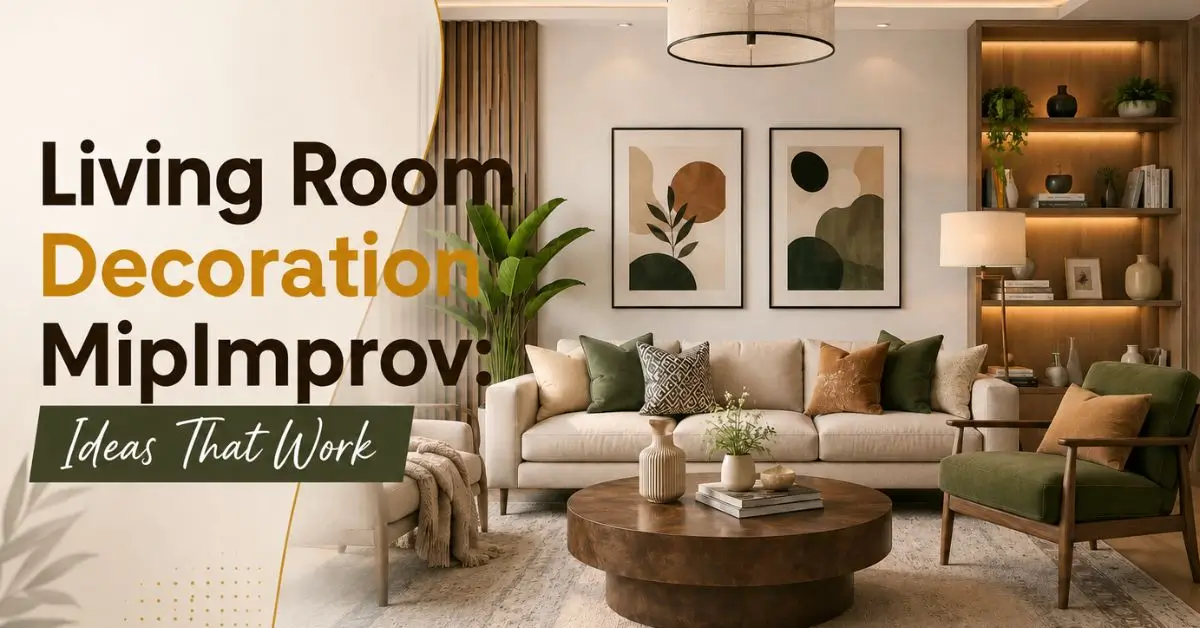
Most people know their living room could look better. The furniture is fine, the walls are painted, and there’s nothing technically wrong, but something still feels off. It doesn’t feel like a space you’re proud of or comfortable in.
That feeling is more common than you think. And the good news is, fixing it doesn’t require a full renovation or a designer’s budget. It requires knowing what to focus on, in what order, and why it works.
This guide covers everything you need for smart, practical living room decoration. Whether you’re starting from scratch or refreshing a room that’s lost its spark, you’ll find ideas here that are realistic, stylish, and built to last.
Living room decoration mipimprov refers to the practical approach of improving your living room’s look and feel through thoughtful design choices covering furniture layout, color schemes, lighting, and accessories. The goal is to create a space that feels both comfortable and visually appealing without unnecessary spending or complicated renovations.
Good living room decoration comes down to a few key decisions: the right colors, smart furniture placement, proper lighting, and well-chosen accessories. You don’t need to spend a fortune. You need a clear plan and the right priorities. This guide gives you both.
Your living room is the most used space in your home. It’s where you relax, entertain guests, spend time with family, and decompress after a long day. How it looks and feels directly affects how you feel inside it.
Research consistently shows that your environment affects your mood, stress levels, and even productivity. A cluttered, poorly lit, or badly arranged living room creates low-level stress that you might not even consciously notice, but you feel it.
Good living room decoration mipimprov isn’t about aesthetics for the sake of it. It’s about building a space that works for your life.
Before you buy anything or move any furniture, decide on a style direction. This is the step most people skip, and it’s why rooms end up looking inconsistent.
You don’t need to commit to a rigid style. But you do need a general direction. Here are the most popular living room styles right now:
Modern Minimalist
Clean lines, neutral colors, and very little clutter. This style works best in smaller spaces because it makes rooms feel larger and calmer. Think white walls, simple furniture, and a few well-chosen accessories.
Warm and Cozy (Hygge-Inspired)
This style uses soft textures, warm lighting, and earthy tones to create a comfortable, inviting atmosphere. It’s popular in the US and UK for colder climates and smaller apartments.
Mid-Century Modern
A timeless style that combines retro furniture shapes with clean, functional design. Think tapered legs, bold accent colors, and natural wood tones. It works in almost any size room.
Bohemian
Layered textures, mixed patterns, and a relaxed, collected feel. This style gives you more freedom and works well for people who love color and personality in their space.
Traditional/Classic
Symmetry, rich colors, and formal furniture arrangements. Best for larger living rooms with architectural details like crown molding or fireplaces.
Pick the one that fits your personality and your space. Everything else flows from that decision.
Color sets the mood of an entire room before a single piece of furniture is placed. It’s also one of the most affordable ways to transform a space.
Here’s a simple framework for living room color:
Base Color (60%) This is your dominant color, usually the walls. Neutral tones like warm white, soft gray, or beige work in almost any living room and give you flexibility with everything else.
Secondary Color (30%) This shows up in your sofa, curtains, or large rug. This is where you can introduce a stronger tone, a deep navy, warm terracotta, or forest green.
Accent Color (10%): Cushions, artwork, small decor items. This is where you add personality and can swap things out easily when you want a refresh.
For example, a living room in a Chicago apartment might use warm white walls (base), a sage green sofa (secondary), and burnt orange cushions and artwork (accent). It’s cohesive, warm, and easy to update over time.
Most living room problems aren’t about the furniture itself; they’re about how it’s arranged. Poor layout makes even expensive furniture look awkward.
Place furniture inward, toward each other. This creates a conversation area and makes the room feel intentional. Pushing everything against the walls is the most common layout mistake; it makes rooms feel like waiting rooms.
Anchor it with a rug. A rug defines the seating area and ties the room together. Make sure it’s large enough; all front legs of your main furniture pieces should sit on the rug or all legs if the room allows it.
Leave walking space. You need at least 18 inches of clearance between your coffee table and sofa and a clear path through the room. Cramped rooms feel smaller than they are.
Create a focal point. Every living room needs one: a fireplace, a large piece of art, a feature wall, or a well-styled media unit. Arrange your furniture to face or frame that focal point.
Overhead lighting alone makes a living room feel flat and uninviting. Good living room decoration mipimprov always includes a layered lighting plan.
Three layers of lighting work best:
- Ambient lighting: Your main overhead light or ceiling fixture. This provides general illumination.
- Task lighting: A floor lamp or table lamp near a reading chair or sofa. Focused and functional.
- Accent lighting: LED strips behind a TV unit, small spotlights on shelving, or a lamp that highlights a piece of art.
Warm bulbs (2700K–3000K) create a cozy, welcoming atmosphere. Cool white bulbs make spaces feel clinical and cold; avoid them in living rooms.
Adding a dimmer switch to your main light costs very little and transforms how your room feels at different times of day.
This is the layer most people either overdo or completely skip. Accessories should feel curated, not collected randomly.
Cushions and throws add texture and warmth. Stick to a maximum of three colors that match your overall palette. Mix textures: a linen cushion, a knit throw, and a velvet pillow rather than matching everything exactly.
Indoor plants bring life and color to any room. A large fiddle-leaf fig in a corner, or a collection of small plants on a shelf, makes spaces feel fresher and more alive. They’re also one of the most affordable ways to decorate.
Artwork gives your walls personality. One large piece creates more impact than several small ones scattered around. Choose something that connects to your color palette.
Shelving and displays should follow the rule of odd numbers: group items in threes or fives. Mix heights and textures. Include one plant, one book stack, and one decorative object per grouping for a balanced look.
| Decoration Element | Impact Level | Approximate Cost |
|---|---|---|
| Wall color / paint | Very High | $ Low |
| Furniture layout | Very High | Free |
| Lighting upgrade | High | $ Low–Medium |
| Rug | High | $ Medium |
| Cushions and throws | Medium | $ Low |
| Artwork | Medium | $ Low–High |
| Plants | Medium | $ Low |
| Shelving and display | Medium | $ Low–Medium |
Start with the high-impact, low-cost changes. You’ll see results faster and spend less getting there.
Buying furniture before deciding on layout. Always plan your space first. Know where your sofa, coffee table, and key pieces will go before you purchase anything.
Choosing a rug that’s too small. This is one of the most common and most visible mistakes in living room decoration. Go larger than you think you need.
Too much of the same texture. If everything is smooth and hard, like a leather sofa, glass table, or wooden floor, the room feels cold. Add softness through cushions, rugs, and curtains.
Ignoring the ceiling. A paint color on the ceiling, a pendant light, or even a simple ceiling medallion adds dimension that most rooms lack.
Decorating all at once. The best-looking rooms are built gradually. Add pieces thoughtfully over time rather than filling everything in one shopping trip.
Living room decoration doesn’t need to be complicated or expensive. It needs to be intentional. The rooms that look best aren’t always the ones with the highest budgets; they’re the ones where someone made clear, consistent choices about style, color, layout, and light.
Living room decoration mipimprov is about making those choices smartly, one step at a time, and building a space that genuinely works for your life.
Start with what you have. Fix the layout. Get the lighting right. Then layer in the details.
Living room decoration M.I.P. improvement is a practical approach to improving your living room through smart design choices covering layout, color, lighting, and accessories without expensive renovations or a big budget.
Start with a style direction, then pick your color palette, then plan your furniture layout. Once these three are set, add lighting, rugs, and accessories gradually.
Neutral tones like warm white, soft gray, or beige work best as a base. Add personality through your sofa or curtains, and use accent colors in cushions and artwork.
Rearrange your furniture, add coordinating cushions and a throw, bring in a plant, and swap bulbs to warm-toned ones. Decluttering first is free and often the most impactful step.
At least 8×10 feet for most living rooms. The front legs of all main seating pieces should sit on the rug. Going too small is the most common mistake.
Use three layers of ambient, task, and accent lighting. Choose warm bulbs between 2700K and 3000K. Adding a dimmer switch is one of the best low-cost upgrades you can make.