
 By James Anderson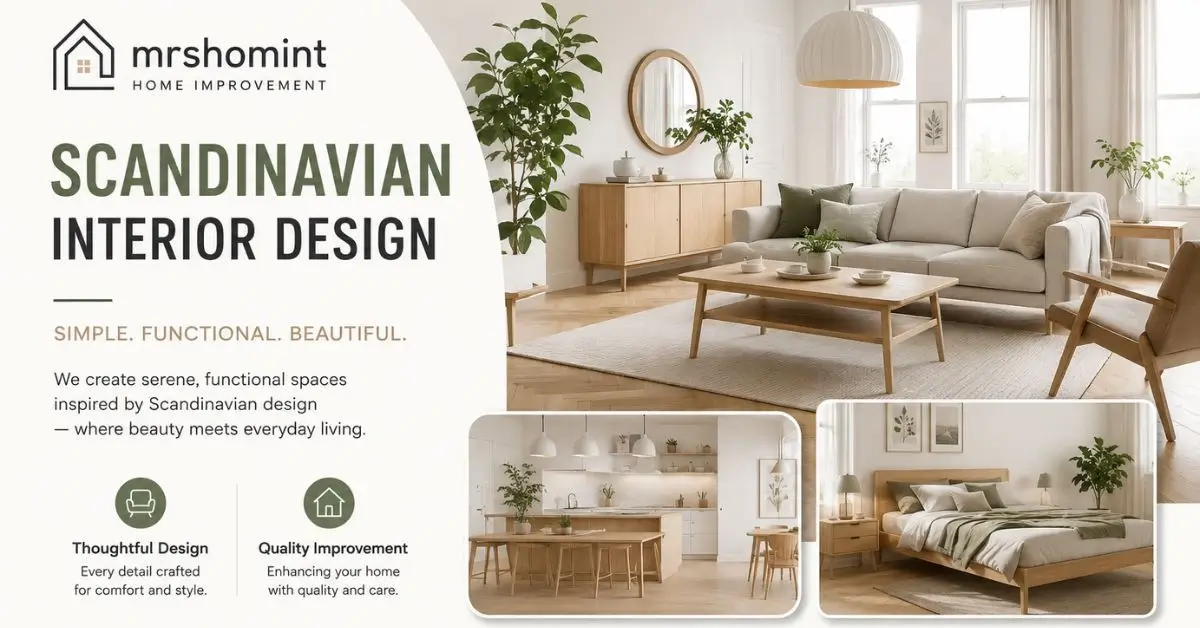
Many people love the look of a calm, clean, beautifully simple home but have no idea how to actually create one. They scroll through inspiration images, feel overwhelmed by choices, and end up buying things that do not quite fit together.
That gap between inspiration and execution is exactly where good design guidance matters most.
MrsHomint has built a following precisely because her approach to Scandinavian interior design feels achievable. It is not cold or sterile. It is warm, personal, and deeply livable. This guide breaks down what that style actually involves, the principles behind it, how to apply it room by room, and the small decisions that make the biggest difference.
Scandinavian interior design MrsHomint is a Nordic design philosophy rooted in simplicity, functionality, and warmth. It prioritizes natural materials, neutral color palettes, clean lines, and purposeful decor. The MrsHomint interpretation of this style adds a personal, layered warmth, combining the restraint of classic Nordic design with cozy textures, soft lighting, and carefully chosen details that make a space feel genuinely lived-in and inviting.
Scandinavian interior design through the MrsHomint lens is about calm, functional beauty. Neutral colors, natural materials, warm lighting, and intentional simplicity. This guide covers the core principles and how to apply them practically in your own home.
Scandinavian design is not just a visual style. It is a response to a specific way of living, one shaped by long winters, limited daylight, and a cultural emphasis on making home feel like a true refuge.
That origin matters because it explains why the style works so well in American and British homes too. People everywhere want their homes to feel like a place they genuinely want to be. Scandinavian design solves for exactly that.
The style is built on a few core ideas that work together rather than in isolation. Simplicity keeps spaces from feeling chaotic. Natural materials bring warmth and texture. Functional furniture means nothing is in a room unless it earns its place. And soft, layered lighting transforms even a basic room into something that feels intentionally designed.
MrsHomint’s take on this is grounded but personal. Her spaces never look like showrooms. They look like someone thoughtful actually lives there, which is precisely the point.
Understanding the principles gives you the ability to make your own decisions rather than just copy specific items. That is what separates a home that feels designed from one that just looks decorated.
Simplicity with purpose. Every item in a Scandinavian-inspired room should have a reason to be there. This does not mean empty rooms. It means rooms where nothing feels random. A well-chosen ceramic vase on a shelf, a single piece of framed art, a stack of two or three books these feel intentional. Fifteen mismatched decorative items do not.
Natural materials throughout. Wood, linen, wool, cotton, stone, and leather are the foundation materials of this style. They bring texture and warmth without introducing visual noise. Light oak is a consistent staple it is warm enough to feel cozy but light enough to keep spaces feeling open.
A restrained color palette. The base is almost always neutral whites, warm grays, soft beiges, and off-whites. Deeper tones like dusty sage green, muted terracotta, or charcoal are used selectively for warmth and contrast. MrsHomint tends to layer these neutrals rather than introducing bright accent colors, which keeps spaces feeling cohesive.
Warm, layered lighting. This is one of the most underrated elements of Scandinavian design and one of the most impactful. Overhead lighting alone creates a flat, institutional feel. Table lamps, floor lamps, pendant lights, and candles layered together create depth and warmth. The goal is a glow, not a glare.
Functional, beautiful furniture. Scandinavian furniture tends to be low-profile, clean-lined, and built to last. It is not ornate, but it is not cheap either. Pieces like a solid wood dining table, a simple upholstered sofa in a natural linen or boucle fabric, or a clean-lined oak sideboard are investments that anchor a room without overpowering it.
Applying these principles across your home does not require a full renovation. It requires a series of thoughtful, deliberate choices in each room.
Living Room
The living room is where Scandinavian design has the most visible impact. Start with your sofa. A neutral linen, bouclé, or cotton sofa in white, cream, or warm gray gives you a flexible foundation. Layer texture through cushions and throws: a chunky knit throw, a linen cushion, and a wool pillow in a soft, earthy tone.
Keep your coffee table simple. Light wood or a combination of wood and a natural material like rattan works well. One low bowl or a small plant on top is enough. Resist the urge to style it with too many objects.
Wall color makes a significant difference. A warm white not a stark, blue-toned white immediately makes a room feel Scandinavian. Sherwin-Williams “Alabaster” is a popular choice among US-based home designers for exactly this reason. It reads white in photos but feels warm in person.
Bedroom
The bedroom in Scandinavian design is a genuine sanctuary. The bed is the focal point, and it should feel inviting. White or warm-toned linen bedding is a hallmark of the style. Linen wrinkles naturally, and that is not a flaw; it is part of the textured, relaxed quality the style embraces.
Keep nightstands simple. A wooden nightstand with a small lamp, a book, and perhaps a small plant is all you need. Avoid nightstands that are too bulky or too decorative; they draw attention away from the overall calm of the room.
Minimal window treatments let natural light in during the day. Sheer linen curtains that pool slightly on the floor are both functional and beautiful. They soften the room without blocking light.
Kitchen
Scandinavian kitchens lean heavily on clean lines, open shelving, and quality materials. If you have standard kitchen cabinets, painting them white or a soft sage green moves them significantly closer to the Nordic aesthetic. Open shelves with simple ceramic dishware, glass storage jars, and a few small plants add warmth and visual interest without clutter.
Keep countertops as clear as possible. A wooden cutting board, a simple ceramic fruit bowl, and a quality coffee maker on the counter is a considered, styled look. Everything else belongs in a cabinet.
Entryway
The entryway sets the tone for the whole home. A simple wooden bench with a few hooks above it, a neutral runner on the floor, and a small plant or simple artwork on the wall creates an immediate sense of calm and order. MrsHomint often uses the entryway to establish the color story for the rest of the home, a consistent detail that makes the whole space feel curated.
One of the most common mistakes people make when attempting Scandinavian design is treating it as purely visual, choosing the right colors and furniture but ignoring how a space feels physically.
Texture is what stops a neutral room from feeling flat or cold. Layering different textures within the same color family creates depth without visual chaos. A linen cushion next to a wool throw on a cotton sofa, placed in front of a jute rug on a wood floor that combination is warm and rich without introducing a single bold color.
MrsHomint consistently demonstrates this layering approach. Her spaces look warm and inviting even in photographs precisely because the textures are varied and intentional, not because the colors are dramatic.
Good Scandinavian design does not require an unlimited budget. It requires spending wisely.
| Item | Worth Spending More On | Where to Save |
|---|---|---|
| Sofa | Yes – quality fabric and frame last. | Cushion covers, throws |
| Dining Table | Yes – solid wood is worth it | Dining chairs (mix and match) |
| Lighting | Yes – shapes and quality matter | Bulbs (warm LED, inexpensive) |
| Rugs | Yes – natural fiber, good size | Decorative objects |
| Bedding | Yes – linen quality is noticeable | Extra pillows, blankets |
| Wall Art | No – simple prints work perfectly | Frames (IKEA works well) |
A realistic US example: A homeowner in Minneapolis redesigning their living room on a $1,500 budget could allocate $700 to a quality linen sofa slipcover or sofa replacement, $250 to a natural jute or wool area rug, $200 to new lighting, and $350 to plants, cushions, throws, and a few carefully chosen decorative pieces. The result would look significantly more cohesive and intentional than spending the same budget randomly across many smaller purchases.
Even with the right intention, a few consistent mistakes prevent people from achieving the look they want.
Going too cold. Pure white walls, cool gray furniture, and no texture create a clinical feeling rather than a cozy one. Always add warmth through materials and lighting.
Overdoing minimalism. Empty rooms are not Scandinavian design they are just empty. The style is curated simplicity, not absence. A thoughtfully styled shelf is different from a bare wall.
Mixing too many wood tones. Light oak is the Scandinavian standard for good reason. Mixing light oak with dark walnut and warm pine in the same room creates visual tension. Stick to one or two consistent wood tones.
Ignoring scale. A small rug in a large room is one of the most common mistakes in home design generally. In a Scandinavian-styled living room, the rug should be large enough to sit under the front legs of all seating at a minimum. Scale matters as much as color or material.
Scandinavian interior design, the way MrsHomint approaches it, is not about perfection or expensive purchases. It is about making deliberate, thoughtful choices that add up to a home that genuinely feels good to be in.
Start with the principles. Neutral colors, natural materials, warm lighting, and intentional simplicity. Apply them one room at a time. Pay attention to texture and scale. Spend on the pieces that anchor a room and save on everything else.
The result is a home that looks considered because it actually is and that is exactly what good design is supposed to feel like.
If this guide sparked some ideas, check out our breakdown of the best natural materials for home interiors, or explore our room-by-room guide to creating a cozy Nordic bedroom on any budget. Both take these principles further with specific, practical recommendations.
A Nordic design style focused on simplicity, neutral colors, natural materials, and functional furniture to create calm, cozy spaces.
MrsHomint is a home design creator known for a warm, practical Scandinavian style using soft lighting, textures, and natural details.
Warm whites, soft grays, beige, sage, terracotta, and charcoal are commonly used for a calm, cozy look.
Light wood, linen, wool, cotton, rattan, and stone are key materials in Scandinavian-style homes.
Start with warm white paint, declutter, add simple textures like rugs or throws, and improve lighting with warm lamps.