
 By James Anderson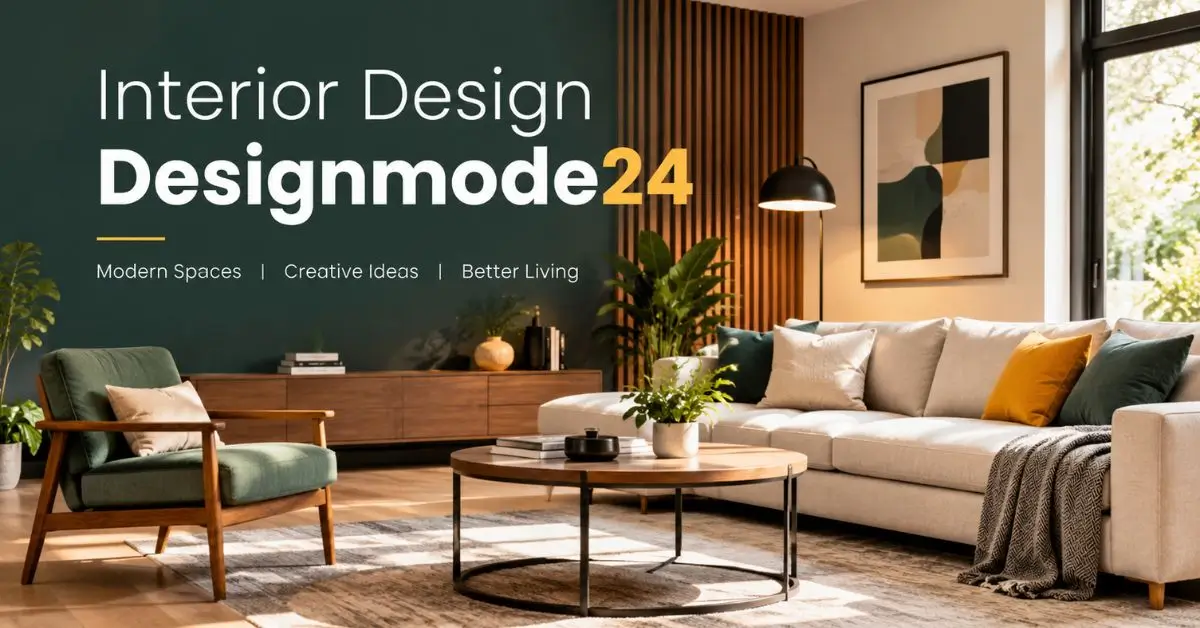
Walking into a home that feels cluttered, dark, or mismatched can instantly drain your energy. Many homeowners buy trendy furniture pieces from catalogs, only to find that their rooms still look disconnected and awkward. You want a home that feels warm, organized, and stylish, but professional design advice often feels too expensive or difficult to follow.
Living in a poorly planned space makes daily routines harder and prevents you from truly relaxing. Learning the core methods behind interior design designmode24 gives you the tools to transform any room with confidence. You do not need an endless budget or a design degree to create a space that looks polished and feels comfortable.
The interior design designmode24 concept is a practical decorating framework that focuses on balance, smart lighting, functional layouts, and cohesive color palettes. It helps homeowners combine timeless structural elements with modern decorative accents, turning ordinary rooms into welcoming, stylish living spaces that match daily family needs without requiring costly professional renovations.
Great room design starts with a clear plan. Choose a three-color palette, arrange furniture to create natural walking paths, and layer three types of lighting in every room. By applying interior design designmode24 principles, you can mix textures, choose correctly sized rugs, and style your home with intention while keeping your spending under control.
Good interior design is not about filling every empty corner with decorations. It is about creating harmony between empty space and functional objects. When a room has good balance, your eyes move naturally from one feature to another without feeling overwhelmed.
The first rule of smart styling is to establish visual weight. Large pieces of furniture, like sofas, dining tables, and entertainment centers, carry heavy visual weight. If you push all your heavy furniture to one side of the room, the space will feel tilted and chaotic. Distribute larger items evenly across the area.
Another critical foundation is traffic flow. You should always maintain at least thirty inches of clear walking space between major furniture pieces. If you have to squeeze past a coffee table or walk around an awkward armchair to enter a room, your layout needs adjustment.
When you practice interior design designmode24, you learn to look at your room as a complete picture. You focus on how each piece of furniture interacts with the floor, walls, and natural light sources to create a calm atmosphere.
Color sets the emotional mood of any room. Picking random paint chips at the hardware store often leads to clashing colors and visual fatigue. The easiest way to create a professional look is using the classic 60-30-10 color formula.
+-------------------------------------------------------------+
|                  THE 60-30-10 COLOR FORMULA                 |
|                                                             |
|  60% Dominant Color  --> Walls, Large Rugs, Big Sofas       |
|  30% Secondary Color --> Curtains, Accent Chairs, Bedding   |
|  10% Accent Color    --> Throw Pillows, Art, Small Decor    |
+-------------------------------------------------------------+This is the main background color that unifies the space. It covers your walls, large area rugs, and primary furniture. Neutral shades like warm white, soft greige, or pale sand work best because they reflect natural light and make rooms feel open.
Your secondary color adds depth and contrast to the room. Use this shade on window curtains, accent chairs, painted interior doors, or large storage cabinets. Colors like slate blue, olive green, or warm terracotta provide character without overpowering the dominant background.
The accent color delivers personality and excitement. Use it sparingly on decorative throw pillows, framed artwork, table vases, and small lamps. Metallic accents like brushed brass, matte black, or polished chrome also count toward this ten percent.
Following this simple color balance within interior design designmode24 prevents your home from looking chaotic or sterile.
A room painted in neutral colors can look flat and boring if you do not include varied textures. Texture is what makes a neutral space feel rich, inviting, and layered.
To build texture, combine at least four different material finishes in every room:
- Woven Fabrics: Linen curtains, cotton throws, and boucle accent cushions.
- Natural Woods: Warm oak coffee tables, walnut shelving, or cane dining chairs.
- Smooth Metals: Iron lamp bases, brushed nickel cabinet pulls, or brass frames.
- Organic Elements: Glazed ceramic vases, leafy houseplants, and woven jute baskets.
For example, pair a smooth leather sofa with a plush wool throw blanket and a raw wood side table. The contrast between smooth, soft, and rough surfaces creates visual warmth that makes people want to sit down and relax.
Using texture effectively is a central pillar of interior design designmode24, allowing you to create high-end visual depth without relying on loud patterns.
Every room in your house serves a distinct daily purpose. Your decorating choices should support those activities while maintaining a cohesive look throughout the entire home.
Anchor the entire seating arrangement with an area rug that is large enough for all front furniture legs to rest on. Position the sofa facing the main focal point, such as a fireplace, a picture window, or a media console. Keep coffee tables twelve to eighteen inches away from the sofa so drinks are within easy reach.
Make the bed the undisputed star of the room. Use a sturdy headboard and frame it with matching nightstands and soft bedside lighting. Choose calming wall colors like muted sage, dusty blue, or warm cream. Keep electronic screens and work desks out of the bedroom whenever possible to protect your sleep quality.
Hang your central chandelier or pendant light thirty to thirty-six inches above the dining table surface. This height provides ample illumination without blocking sightlines across the table. Choose chairs that slide fully under the table to keep walkways open when meals are finished.
Even a tiny entryway needs clear organization. Place a slim console table or floating shelf near the door for keys and mail. Add a wall mirror to bounce natural light and give you a spot for quick checks before heading out. Include a sturdy basket or shoe rack to eliminate floor clutter.
Applying structured interior design designmode24 rules across each room guarantees that your home flows naturally from one space to the next.
Relying solely on a single bright ceiling light makes any room look flat and uninviting. Professional designers always build lighting across three distinct layers.
Ambient Lighting (Ceiling Fixtures, Recessed Cans)
       |
       v
Task Lighting (Reading Lamps, Desk Lights, Under-Cabinet Strips)
       |
       v
Accent Lighting (Picture Lights, Uplights, Sconces, Candles)
Ambient light provides general illumination so you can navigate the room safely. Use dimmable ceiling fixtures, flush mounts, or recessed LED lights. Always choose warm white light bulbs (2700K to 3000K) rather than harsh cool blue bulbs.
Task lighting targets specific work areas. Place adjustable reading lamps next to armchairs, install LED strip lights under kitchen cabinets for food prep, and use directed desk lamps in home offices.
Accent lighting adds drama and highlights your favorite decorative features. Use small picture lights over framed artwork, install wall sconces flanking a mirror, or place a small uplight behind a large floor plant to cast gentle shadows on the ceiling.
Mastering these lighting layers is one of the quickest ways to elevate your space using interior design designmode24 techniques.
The table below outlines the differences between chasing short-lived social media trends and building an intentional, timeless living space.
| Decorating Factor | Fast-Trend Decorating | Timeless Designmode24 Styling |
|---|---|---|
| Color Selection | Neon accents and high-contrast fads | Grounded 60-30-10 neutral balance |
| Furniture Strategy | Matching showroom sets in cheap materials | Mixed complementary pieces in solid wood |
| Lighting Design | Single bright overhead ceiling fixture | Three warm dimmable lighting layers |
| Decor Lifespan | Looks dated within 12 to 18 months | Looks fresh and elegant for a decade |
| Budget Impact | Constant replacement costs over time | Smart initial buys that hold value |
| Room Atmosphere | Cluttered, chaotic, and loud | Calm, functional, and organized |
Reviewing these points helps you make smart purchasing decisions that save money and keep your home looking beautiful for years.
To see how these concepts work in everyday life, consider a real-world example from an older suburban home in Atlanta, Georgia.
A couple had a 15-by-18-foot living room that felt dark and crowded. They had a bulky brown sectional pushed tightly into a corner, mismatched end tables, and bare white walls. The room felt uninviting, and family members rarely used it.
Instead of spending $10,000 on a complete renovation, they used interior design designmode24 methods to refresh the space with a total budget of $1,250:
- $120: Painted the walls in a warm, light-reflecting greige satin finish.
- $280: Replaced the tiny 5-by-7 rug with a generous 8-by-10 woven wool-blend rug that anchored all seating.
- $450: Sold the bulky dark side tables and bought two warm oak end tables and a round brass coffee table.
- $220: Installed two warm brass wall sconces and added two tall floor lamps with 2700K warm LED bulbs.
- $180: Added textured linen throw pillow covers, a waffle-knit blanket, and two large potted snake plants.
The transformation was dramatic. By pulling the furniture six inches away from the walls, establishing a balanced color palette, and adding soft task lighting, the room felt twice as large and significantly brighter.
This Atlanta makeover proves that using smart interior design designmode24 steps delivers high-end visual comfort without large renovation expenses.
One of the most common decorating errors is choosing furniture and art that do not fit the scale of the room. A tiny painting on a huge wall looks lost, while an oversized cabinet in a small bedroom makes the space feel suffocating.
The center point of any framed picture or gallery wall should hang between 57 and 60 inches from the floor. This represents average human eye level. If you are hanging art above a sofa or headboard, leave six to eight inches of breathing room between the top of the furniture and the bottom of the frame.
Never buy a rug that is too small for your room. A small rug creates a floating island effect that makes the whole room look smaller. In living rooms, aim for an 8-by-10 or 9-by-12 rug so that at least the front feet of all sofas and armchairs rest comfortably on the fabric.
Mount curtain rods four to six inches above the window frame, or even closer to the ceiling. Choose curtains long enough to lightly graze the floor. This visual trick draws the eye upward, making your ceilings feel taller and your windows look larger.
Focusing on correct proportions is a signature habit in interior design designmode24, turning basic rooms into balanced architectural spaces.
Even passionate home decorators can make choices that compromise their living space. Keep these five common mistakes in mind before buying new pieces:
- Buying Complete Matching Furniture Sets: Purchasing the sofa, loveseat, coffee table, and end tables from the same showroom collection makes a home look like a catalog store. Mix complementary wood tones, metals, and fabrics for a curated feel.
- Pushing All Furniture Against the Walls: Pushing furniture against walls does not make a room look bigger. Floating your sofa a few inches into the room creates better conversational flow and makes spaces feel intentional.
- Ignoring Cord and Cable Management: Dangling television wires and messy extension cords instantly ruin a clean aesthetic. Use paintable wall raceways or zip ties to hide cords along furniture legs.
- Hanging Curtains Too Low and Narrow: Hanging curtain rods right at the window frame cuts off natural light. Extend the rod six to eight inches past the window sides so open curtains do not block the glass.
- Overcrowding Flat Surfaces: Leaving open breathing room on coffee tables, bookshelves, and kitchen counters makes a room feel peaceful. Follow the rule of threes by grouping small decor items in odd-numbered clusters.
Avoiding these simple traps while following interior design designmode24 practices will save you time, frustration, and unnecessary shopping trips.
Creating a warm, stylish home does not require expensive remodeling projects or complex design theories. When you understand the basics of spatial balance, color distribution, and proper lighting layers, decorating becomes an enjoyable and rewarding process.
By implementing these interior design designmode24 strategies step by step, you can transform your house into an organized, comfortable haven that reflects your personal taste. Pick one room to start, audit your current furniture layout, and use these simple decorating rules to build a home you love spending time in every day.
Interior design designmode24 focuses on creating practical, balanced, and visually appealing living spaces using color, lighting, furniture, and texture.
Use light wall colors, high-mounted curtains, a large area rug, and mirrors to make a small living room feel more spacious and brighter.
The 60-30-10 rule creates balanced color combinations by using 60% of a dominant color, 30% of a secondary color, and 10% as an accent.
Choose a rug large enough for at least the front legs of your main furniture to sit on it. Common living room sizes include 8×10 and 9×12 feet.
Warm white bulbs between 2700K and 3000K are ideal for cozy living spaces because they create a soft and relaxing atmosphere.