
 By James Anderson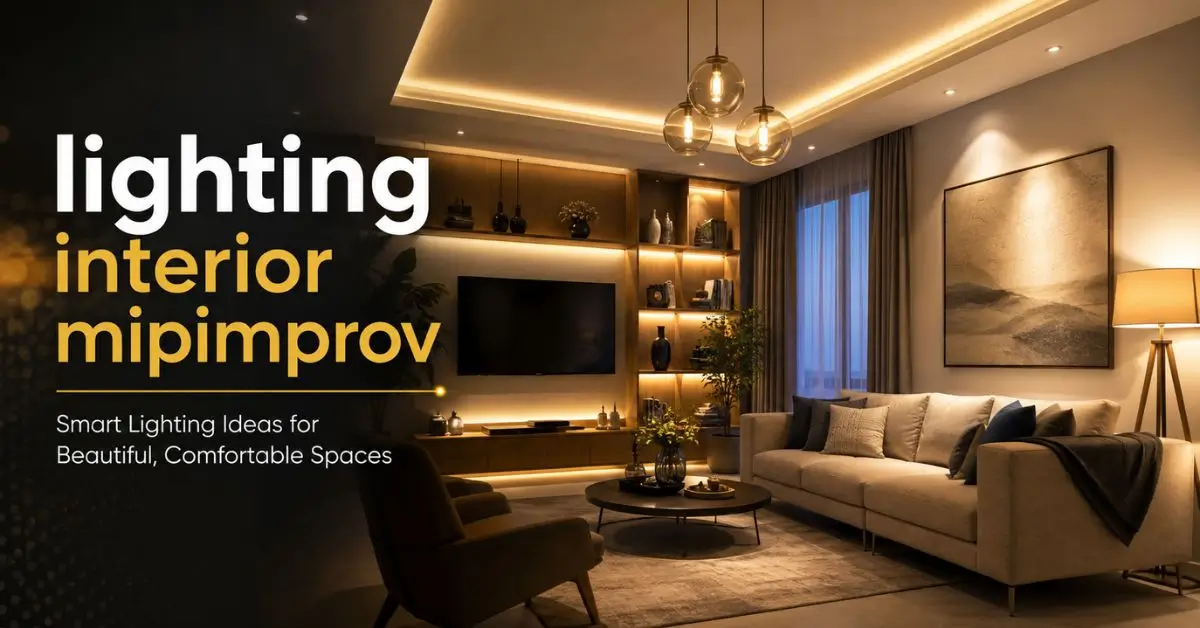
Most people repaint walls, buy new furniture, or replace flooring when they want to refresh their home. But they overlook one of the most powerful changes they can make: fixing the lighting.
Bad lighting makes a beautiful room feel cold, dark, or uncomfortable. Good lighting does the opposite. It adds warmth, makes spaces feel larger, highlights the things you love, and sets the mood for every activity from cooking dinner to reading a book.
If you have been thinking about lighting interior mipimprov for your home but do not know where to start, this guide breaks it all down in plain English. No electrician jargon. No confusing tech specs. Just clear, practical advice that actually works.
Lighting interior improvement refers to the process of upgrading, layering, or repositioning light sources inside a home to improve how a space looks, feels, and functions. This includes choosing the right bulb types, light placements, and fixture styles to match each room’s purpose and design.
Good home lighting uses three layers: ambient (general), task (focused), and accent (decorative). Most homes only use one layer and that is the main problem. Fix the layers, choose warm bulbs, and use dimmers where possible. That alone transforms most rooms.
Walk into the average American home and you will usually find the same thing: one overhead light in the center of the ceiling, one switch on the wall, and shadows everywhere else.
This setup is called single-source lighting, and it is one of the most common interior mistakes people make without realizing it. A single overhead light creates harsh shadows, flattens the look of a room, and makes everything feel a bit like an office or a hospital corridor.
The fix is not expensive. It just requires understanding how lighting actually works.
Professional interior designers always work with three lighting layers. Once you understand them, you will see them everywhere and notice when they are missing.
1. Ambient Lighting
This is your general, room-wide light. It fills the space and allows you to move around safely. A ceiling fixture, recessed lights, or a chandelier typically serve this purpose.
Think of ambient light as the base layer. It should be bright enough to function but not so harsh that it becomes uncomfortable.
2. Task Lighting
Task lighting targets a specific area where you need focused light to do something. A desk lamp for working, under-cabinet lights in a kitchen, or a reading lamp beside a bed are all task lighting examples.
Without task lighting, people squint under a single ceiling light trying to chop vegetables or read fine print. It is inefficient and straining.
3. Accent Lighting
Accent lighting adds depth, drama, and personality. It highlights artwork, shelving, architectural features, or plants. It is not about function. It is about making a space feel designed rather than just lit.
A simple picture light above a framed photo or a strip light behind a TV console is accent lighting in action.
Most homes only have ambient lighting. Adding the other two layers is the single biggest improvement you can make to any room.
The bulb you choose matters more than most people realize. Two bulbs with the same wattage can make a room feel completely different.
Color Temperature
Measured in Kelvin (K), color temperature tells you how warm or cool a light appears.
| Kelvin Range | Light Appearance | Best Used In |
|---|---|---|
| 2700K – 3000K | Warm white, soft yellow | Living rooms, bedrooms, dining areas |
| 3500K – 4000K | Neutral white, clean | Kitchens, bathrooms, home offices |
| 5000K – 6500K | Cool white, daylight | Garages, utility rooms, workshops |
For most living spaces in US homes, 2700K to 3000K creates a cozy, welcoming feel. Cooler temperatures work better in work areas where clarity matters more than comfort.
LED vs. Older Bulbs
LED bulbs are the clear choice today. They use up to 75% less energy than traditional incandescent bulbs, last significantly longer, and come in every color temperature you need. A good LED bulb from a brand like Philips or GE can last over 10 years under normal use.
The living room serves multiple purposes: relaxing, entertaining, watching TV, and sometimes working. That means it needs flexibility.
Start with a ceiling fixture or recessed lights for ambient coverage. Add floor lamps in dark corners to eliminate shadows. Use table lamps on end tables for a softer, warmer glow in the evening. If you have artwork or shelving you love, add a small spotlight or track light to highlight it.
Install dimmer switches wherever possible. Being able to lower the light level at night makes a huge difference in comfort and atmosphere.
Kitchens need to do two things well: provide strong task lighting for cooking and food prep, and feel welcoming when you are not actively working in them.
Recessed ceiling lights work well for general coverage. Under-cabinet LED strip lights are one of the best and most affordable kitchen upgrades available. They shine directly onto your countertops, eliminating shadows when you chop, measure, or read recipes.
If you have an island, pendant lights above it add both task lighting and a strong visual anchor.
Bedrooms should feel calm and relaxing. Avoid harsh overhead lights as the only source. Instead, use bedside lamps with warm bulbs (2700K works perfectly here) for reading and winding down.
If you have a ceiling fixture, put it on a dimmer. Some people also add a small accent light to highlight a headboard or create a soft glow along the floor with LED strip lights under the bed frame. It looks good and doubles as a practical night light.
Bathrooms need balanced lighting, especially around the mirror. The most common mistake is a single light above the mirror, which casts downward shadows and makes tasks like applying makeup or shaving harder than they need to be.
Side-mounted sconces at eye level on both sides of the mirror solve this completely. They light the face evenly from both sides with no shadows. Add a separate overhead light for general use and you have a well-lit bathroom without spending a lot.
Focus and clarity matter most in a home office. Use neutral to slightly cooler light (around 3500K to 4000K) to support concentration and reduce eye strain.
A desk lamp with adjustable brightness is essential. Position it so it does not create glare on your screen. If your office has a window, position your desk to take advantage of natural daylight during work hours.
Use Dimmers Everywhere You Can
Dimmers are one of the best investments in home lighting. They cost between $15 and $50 per switch and allow you to adjust mood instantly. Most LED bulbs today are dimmer-compatible, but always check before buying.
Do Not Ignore Lampshades
A lampshade controls direction and softness of light. A white or light-colored shade spreads light more broadly. A dark or opaque shade focuses light downward. Choose based on what you need from that lamp.
Mirrors and Light Work Together
Placing a lamp or sconce near a large mirror effectively doubles the light in the area. Mirrors reflect light back into the room, which is especially useful in smaller or darker spaces.
Fix One Room at a Time
You do not need to overhaul your entire home at once. Start with the room where you spend the most time. Make the changes, live with them for a few weeks, and then move to the next room. This approach is practical and avoids overwhelming yourself or your budget.
A Real Example
A homeowner in Chicago had a living room that always felt gloomy despite being a decent size. The only light was a central ceiling fixture with a cool white bulb. By adding two floor lamps with 2700K LED bulbs, replacing the ceiling bulb with a warmer option, and installing a dimmer switch, the room felt completely different within an afternoon. Total cost: under $120.
Choosing bulbs that are too bright or too cool for living spaces makes rooms feel sterile rather than comfortable.
Skipping task lighting and relying entirely on overhead lights is a pattern that leads to eye strain and poor visibility where it matters most.
Ignoring the scale of fixtures is another issue. A small pendant light in a large dining room looks out of place and underperforms. Match the size of your fixtures to the size of the room.
Finally, forgetting about natural light is a missed opportunity. Sheer curtains, lighter paint colors, and mirrors near windows can significantly increase how much daylight fills a space, reducing the need for artificial light during daytime hours.
Improving your home’s interior lighting does not require a major renovation or a large budget. It requires understanding how lighting works, identifying where your current setup falls short, and making targeted changes room by room.
Start with the basics: add the missing layers, switch to warm LED bulbs, and install dimmers where you can. These three steps alone will change how your home feels, looks, and functions.
If you want to go further, explore how different fixtures, lampshade styles, and natural light strategies can refine each room even more.
Good lighting is not about having the most light. It is about having the right light in the right place.
If you found this guide helpful, take a look at our article on choosing the right paint colors to complement your new lighting setup, and our guide on affordable home decor upgrades that work alongside better lighting to transform your space.
Warm, layered lighting works best. Combine ceiling lights with a floor lamp and mirrors to create depth and make the room feel larger.
Aim for at least three light sources covering ambient, task, and accent lighting.
Yes. LEDs use less energy, last longer, and offer different color temperatures, making them a practical choice for most homes.
Use 2700K–3000K for bedrooms and living areas, and 3500K–4000K for kitchens, bathrooms, and workspaces.
Not for bulbs or lamps. New fixtures, circuits, or wiring should be handled by a licensed electrician.